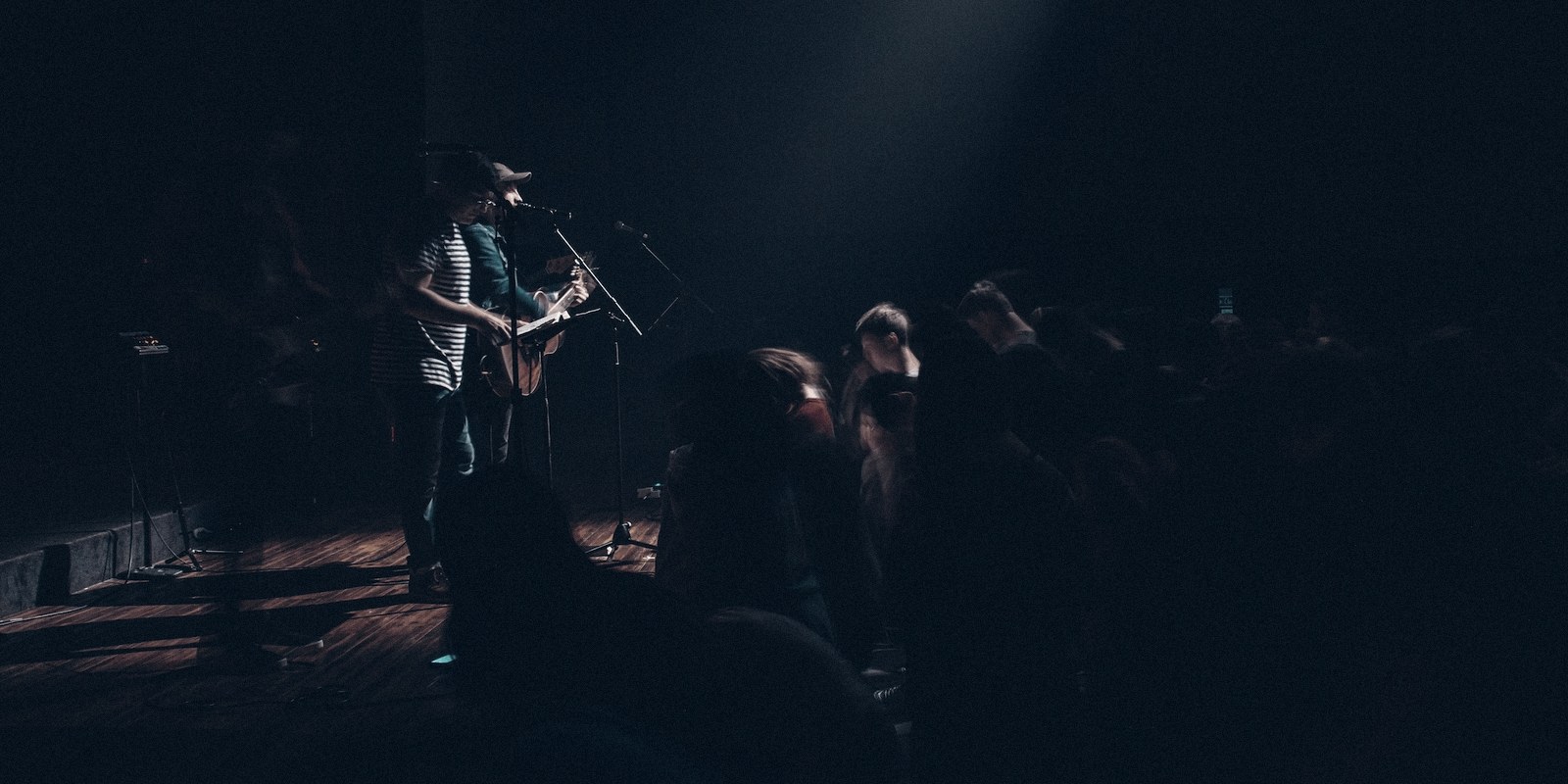
The NSW Government has confirmed that certain prayers are now illegal under the Conversion Practices Ban Act, prompting widespread concern among Christians about the erosion of religious freedom and the future of pastoral ministry.
The NSW Government has confirmed that certain forms of prayer are now illegal under the controversial Conversion Practices Ban Act, which took effect in April this year.
During a recent parliamentary committee hearing, Liberal MP Susan Carter pressed Attorney-General Michael Daley on whether the legislation curtails freedom of religious expression by placing a “prohibition on prayer”.
During the six-minute exchange, Daley confirmed that while general prayer is not prohibited, prayers directed at changing or suppressing a person’s sexuality or gender are indeed classified “conversion practices” and are therefore unlawful.
Prior to the Attorney-General’s admission, uncertainty had persisted among NSW Christians over whether prayer is restricted under the Act, despite assurances from the law’s supporters it would not be affected.
“You can pray with a person and do all those sorts of things,” the Attorney-General told the committee. “But if you pray in a way that it becomes a… sustained practice directed to a person with a view to changing their sexual orientation or gender, that’s against the law.”
Ms Carter pressed further, asking, “With respect, isn’t prayer commonly about change of all sorts of things?”
Daley clarified that “if you’re sitting down praying to someone to strengthen them and guide them and all those pastoral considerations, that’s fine. But if you’re sitting down to ‘pray the gay away’, that’s not”.
The Attorney-General’s answer reveals that the government now effectively decides which prayers are permissible and which are not, confirming that long-standing protections for religious freedom in NSW have been measurably eroded under the Act.
Private Prayer Potentially Policed by Government
Ms Carter further questioned the legal authority for the state to define lawful prayer. “So the government has the right to say what prayer is lawful and what prayer is unlawful?” she asked.
Daley replied, “Well, if it’s an unlawful prayer, then it’s not a lawful prayer”. He further clarified that conduct, not merely words, is the determining factor under the Act:
Government can put limits on the behaviour of its citizens, regardless of what that behaviour is. And they do it in a myriad of ways every single day, whether it’s prayer or driving or dealing in drugs or assaulting other people. There’s nothing special about words coming out of a person’s mouth. If the words that come out of a person’s mouth constitute a conversion practice, it’s offensive to the Act.
Daley then hinted that even internal, private prayer may fall within the law’s scope.
When Carter asked whether a person praying privately for a loved one to follow God’s guidance — for instance, in abstaining from sex outside marriage — would be in breach, Daley first dismissed the question as “ridiculous”.
He then stopped short of assuring it would be legal, instructing the MP, “You should, as a legally qualified person, go and work out by reading the Act whether you think that is a conversion practice or not.”
Daley’s refusal to categorically exempt personal prayer leaves NSW Christians exposed to prosecution for the simple act of praying, even silently, if it is interpreted as an attempt to influence sexual behaviour.
Such a precedent has already been set in the United Kingdom, where Christians like Isabel Vaughan-Spruce and Fr Sean Gough have been arrested for silently praying near abortion clinics.
Legal Ambiguity Concerns Faith Communities
The legislation’s wording has left many Christians uncertain about what constitutes lawful prayer. Anti-Discrimination NSW advises that while counselling and prayer remain permitted, any effort to influence sexual orientation or gender identity is prohibited. Daley confirmed this distinction:
It is not unlawful for a person to seek counsel or guidance from within their faith. Counsel and guidance, including prayer, can still be given as long as it is not an attempt to change or suppress the person’s sexuality or gender identity.
As previously reported by The Daily Declaration, such limitations will likely affect common practices in churches, counselling ministries, youth programs and beyond, where prayer frequently addresses life choices and moral behaviour, and calls people to obey God’s Word.
Religious groups warn that this distinction will be difficult to navigate in pastoral settings, where guidance often includes moral and behavioural encouragement consistent with Scripture.
The Australian Christian Lobby, which first drew attention to the hearing by sharing footage of it on social media, noted, “According to the Attorney General, Michael Daley, the NSW Conversion Practices Ban Act makes some prayers with, or over, someone about these matters illegal regardless of consent.”
“We will continue to advocate for clear answers on this legislation and work to ensure that everyone has the right to pray without limitations,” the group added. They continued:
As we live with this new legislation, let us reflect on the prayer for boldness in Acts 4:23-31, specifically verse 29 — “Lord, consider their threats and enable your servants to speak your word with great boldness.” Pray our churches and Christian leaders remain bold and uncompromising in their commitment to God’s Word in their ministry.
Republished with thanks to The Daily Declaration. Image via Unsplash.



Leave a Reply